

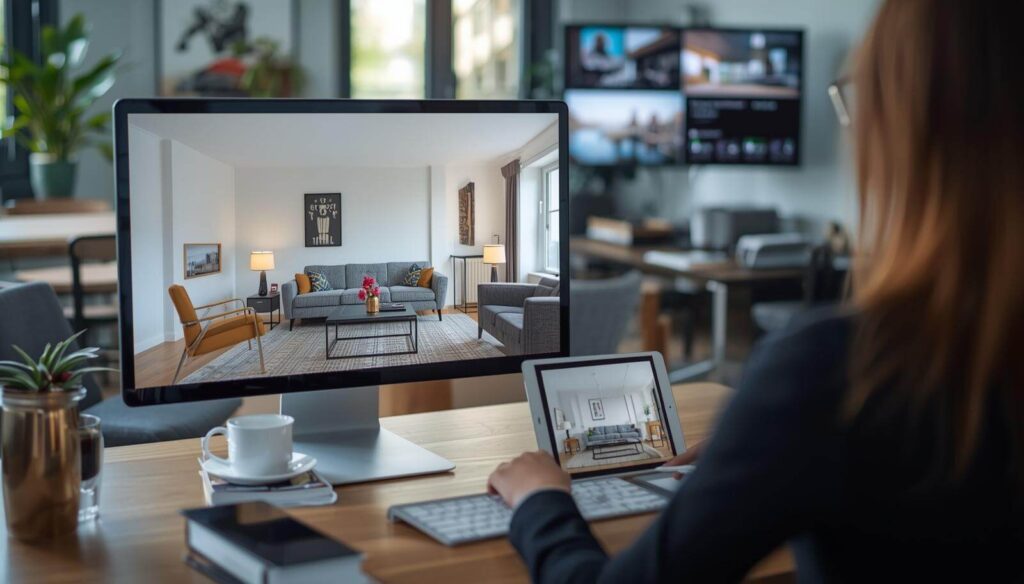
Virtual Staging Real Estate is transforming property marketing with cost-effective, innovative solutions. Discover how trends in 2023 and beyond will shape real estate success.
Virtual Staging Real Estate: An Introduction
Virtual Staging Real Estate is quickly becoming one of the most important tools for property marketing in the modern era. Instead of relying solely on costly traditional staging methods, real estate agents and sellers are turning to digital solutions that create stunning property visuals in a matter of hours.
With the shift to online property browsing, buyers want to see homes that feel modern, inviting, and ready to live in. Virtual Staging Real Estate helps realtors and homeowners meet this demand while saving both time and money. This article explores the major predictions and positive impacts shaping Virtual Staging in 2023 and beyond.
Why Virtual Staging Real Estate is on the Rise
Cost-Effectiveness Compared to Traditional Staging
Traditional staging can cost thousands of dollars per property, especially if furniture rental and labor are included. By contrast, Virtual Staging offers digital staging at a fraction of the price, making it accessible to realtors of all sizes.
Faster Time to Market
In competitive real estate markets, time is everything. With Virtual Staging , properties can be staged and listed within 24–48 hours, reducing downtime and helping sellers capitalize on peak buyer interest.
Greater Buyer Engagement
According to the National Association of Realtors (NAR), staged homes sell faster and for higher values than non-staged homes. Virtual Staging enhances listings by creating visually appealing spaces that attract more online views and physical visits.
Flexibility and Customization
Unlike physical staging, Virtual Staging of Real Estate allows agents to showcase different design styles—modern, minimalist, or traditional—depending on the target audience. This personalization leads to stronger buyer connections.
Positive Predictions for Virtual Staging Real Estate in 2023
The future looks bright for Virtual Staging of Real Estate, with multiple trends pointing to widespread adoption and continued innovation.
Integration with Artificial Intelligence
AI tools are increasingly being used to automate the staging process. By 2025, Virtual Staging Real Estate platforms may generate customized staging layouts instantly, reducing design time even further.
Augmented Reality Enhancements
Virtual Staging Real Estate will expand into augmented reality (AR), giving buyers the ability to walk through staged homes with their smartphones or VR headsets. This immersive experience provides deeper buyer engagement and trust.
Mainstream Acceptance
What once faced skepticism is now gaining credibility. Buyers understand that Virtual Staging Real Estate is a tool to help them visualize potential, not a way to deceive them. As awareness grows, acceptance will continue to rise.
Widespread Adoption by Realtors
Small agencies and independent realtors are quickly realizing the value of Virtual Staging Real Estate. As prices become more affordable, it will become a standard marketing tool for listings.
Global Growth in Property Marketing
The global real estate market is becoming increasingly digital. According to Statista, online property browsing and marketing tools are expanding rapidly, making Virtual Staging Real Estate a must-have solution for agencies that want to remain competitive.
How Virtual Staging Real Estate Works
Many buyers and sellers are still unfamiliar with the process, so here’s a step-by-step breakdown:
- High-quality property photos are taken.
- Images are uploaded to a virtual staging service.
- Designers digitally add furniture, décor, and finishing touches.
- Staged photos are delivered within 24–48 hours.
- Realtors upload these visuals to MLS, websites, and social media platforms.
The result: buyers see the property’s true potential, and sellers benefit from higher engagement and faster sales.
Virtual Staging Real Estate vs. Traditional Staging
Comparing Virtual Staging Real Estate with physical staging makes it clear why more agents are switching to digital methods.
Traditional Staging Cons:
- High costs for furniture rental and labor.
- Significant time investment.
- Limited style changes per property.
Virtual Staging Real Estate Pros:
- Cost-effective and scalable.
- Quick delivery of images.
- Multiple design styles available per listing.
- No physical logistics required.
The Psychology Behind Virtual Staging Real Estate
Buying a property is an emotional decision. Empty rooms can feel cold and uninspiring, but staged spaces help buyers picture themselves living in the home.
Virtual Staging Real Estate leverages buyer psychology by:
- Creating inviting spaces that resonate emotionally.
- Helping buyers visualize furniture placement.
- Reducing uncertainty about room size and flow.
This visualization increases buyer confidence and makes properties stand out in competitive markets.
Subheading: The Benefits of Virtual Staging Real Estate for Realtors
Real estate professionals benefit tremendously from Virtual Staging, as it allows them to:
- Showcase multiple styles to appeal to diverse buyer demographics.
- Market listings faster and at lower costs.
- Differentiate properties in crowded online marketplaces.
By using Virtual Staging of Real Estate strategically, agents not only close deals faster but also build stronger reputations for innovation and professionalism.
Challenges in Virtual Staging Real Estate
Although effective, Virtual Staging Real Estate comes with its own challenges:
- Over-Staging: Adding too much furniture or unrealistic elements can create false expectations.
- Buyer Transparency: Realtors must disclose when images are virtually staged to maintain trust.
- Technical Limitations: Poor-quality images or inexperienced staging can reduce effectiveness.
Despite these issues, the long-term advantages of Virtual Staging Real Estate—cost savings, efficiency, and buyer appeal—far outweigh the drawbacks.
Predictions Beyond 2023 for Virtual Staging Real Estate
Looking ahead, experts predict that Virtual Staging of Real Estate will continue to evolve:
- AI-driven customization will allow staging to be instantly tailored to buyer personas.
- 3D and AR walk-throughs will become mainstream in real estate listings.
- Global adoption will accelerate as digital-first buyers dominate the housing market.
These shifts position Virtual Staging of Real Estate as a cornerstone of modern property marketing strategies.
How to Maximize Success with Virtual Staging Real Estate
For real estate professionals who want to get the most out of Virtual Staging of Real Estate, consider these tips:
- Work with professional staging services to ensure high-quality results.
- Tailor designs to buyer demographics—for example, urban buyers may prefer modern minimalism, while suburban buyers may like family-friendly staging.
- Be transparent by including disclaimers that images are virtually staged.
- Promote staged images across multiple channels like MLS, Zillow, and social media.
Conclusion: The Future of Virtual Staging Real Estate
Virtual Staging Real Estate is no longer a trend—it’s becoming the standard for property marketing in a digital-first world. With its affordability, speed, flexibility, and buyer appeal, it is transforming how homes are presented and sold.
As we look to 2023 and beyond, the integration of AI, augmented reality, and global adoption will continue to shape the industry. Realtors who embrace Virtual Staging Real Estate now will not only attract more buyers but also stay ahead of competitors in an ever-changing market.
The message is clear: the future of real estate belongs to those who adopt innovative solutions. And Virtual Staging Real Estate is leading the way. For businesses and agents seeking reliable support, platforms like VAME provide the tools and virtual assistant expertise to make virtual staging and digital property marketing seamless, efficient, and effective.
