

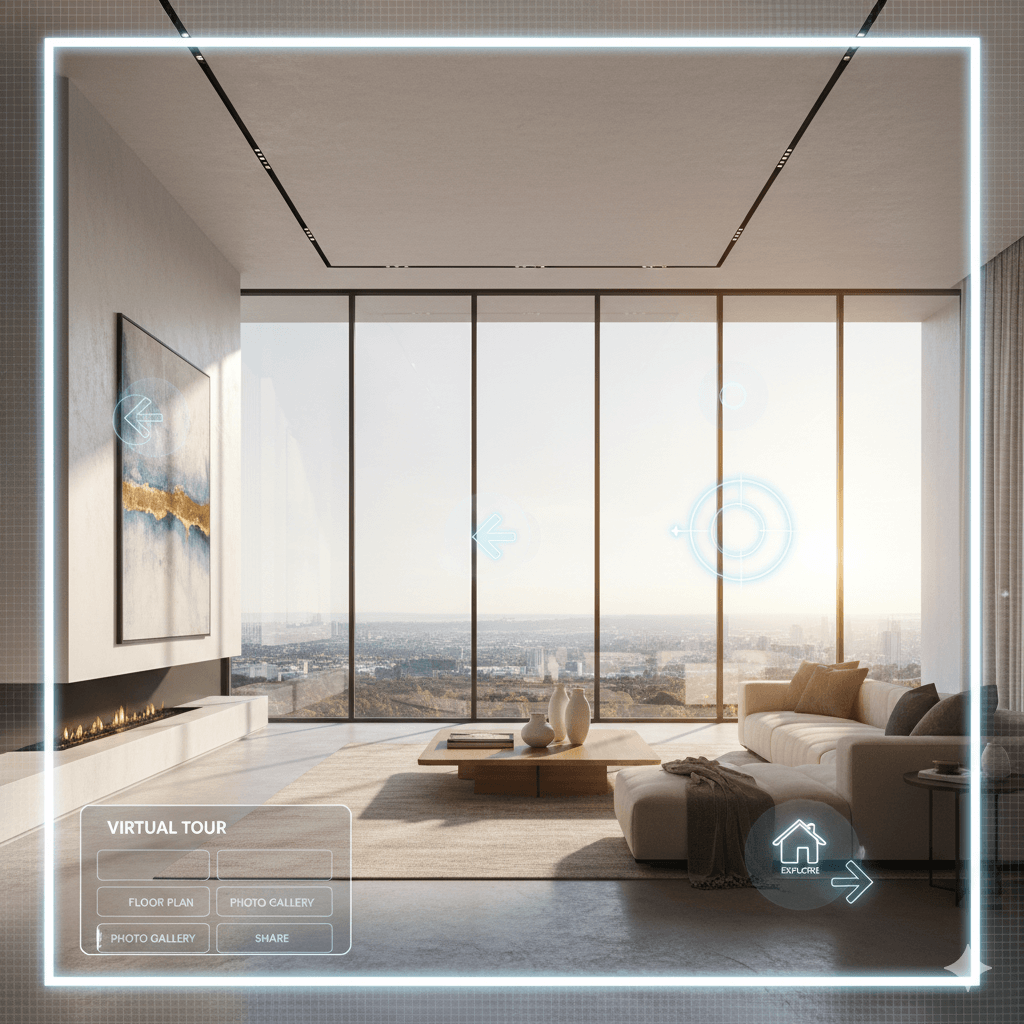
Real estate virtual tours provide immersive property experiences showcasing architectural details that inspire confident buyers worldwide. Learn how these interactive walkthroughs transform modern real estate marketing strategies and create stronger buyer engagement.
Real Estate Virtual Tours and Their Influence on Buyer Decisions
Real estate virtual tours revolutionize property marketing by delivering immersive experiences unavailable through static photography. Potential buyers virtually navigate homes while observing every architectural feature without physically attending property showings. These tours allow detailed evaluations of spatial arrangements, design aesthetics, and decorative elements that influence purchase decisions.
Modern buyers demand transparency, accessibility, and convenience when considering significant property investments. Real estate virtual tours provide solutions by offering comprehensive perspectives that strengthen confidence before financial commitments. Clients appreciate opportunities to analyze how sunlight interacts with interior spaces throughout different times of the day.
Buyers also visualize personal furnishings within rooms, evaluate storage options, and identify architectural highlights enhancing lifestyle. Realtors benefit because buyers arrive at physical showings already motivated, reducing time spent on unsuitable properties. As digital natives dominate the housing market, real estate professionals must integrate virtual solutions to maintain competitiveness.
The Evolution of Real Estate Virtual Tours for Modern Property Marketing
Initially, real estate marketing strategies emphasized printed brochures, staged photography, and persuasive text descriptions highlighting attractive features. However, modern buyers now expect immersive digital experiences offering authenticity and detailed architectural accuracy. Real estate virtual tours transformed over the last decade through advancements in 3D home tour technologies.
Innovative platforms integrate drone videography, laser scanning, and advanced rendering engines to create realistic property simulations. These dynamic experiences empower international clients and investors to explore properties before physically traveling across continents. Developers embrace real estate virtual tours for pre-selling residential communities before construction completion, securing early financing.
Today’s marketing landscape demands tools emphasizing transparency, personalization, and technological sophistication. Realtors using real estate virtual tours establish stronger credibility with clients who appreciate straightforward, visually accurate property presentations. This evolution demonstrates an industry adapting successfully to technological change and modern buyer expectations.
Why Real Estate Virtual Tours Enhance Buyer Engagement
Real estate virtual tours increase buyer engagement by delivering highly interactive and memorable digital property explorations. Unlike static images, immersive tours encourage extended browsing sessions while showcasing details influencing emotional responses. Realistic experiences stimulate imagination as clients visualize their lifestyles within architectural environments presented digitally.
Key advantages include:
- Deeper buyer confidence due to transparent visualization of architectural elements and spatial arrangements
- Reduced travel expenditures for long-distance investors evaluating properties internationally through digital experiences
- Enhanced global accessibility allowing realtors to expand audiences beyond geographical limitations
- Stronger emotional connections between potential homeowners and properties through interactive experiences
Buyers spend significantly more time viewing listings featuring immersive tours compared with those displaying photographs alone. Increased interaction translates into stronger leads, faster sales processes, and higher closing probabilities for realtors. These measurable benefits confirm that real estate virtual tours are essential assets within modern marketing campaigns.
Architectural Designs that Shine Through Real Estate Virtual Tours
Architectural brilliance becomes exceptionally visible when showcased using real estate virtual tours. These presentations highlight vaulted ceilings, decorative staircases, textured walls, and expansive panoramic glass installations. Buyers appreciate observing how design elements influence ambiance, energy flow, and lifestyle comfort.
Virtual tours emphasize various architectural categories:
- Modern minimalism presenting sleek surfaces, open-concept floorplans, and elegant neutral palettes
- Mediterranean villas highlighting arches, courtyards, intricate stonework, and terracotta roof details
- Eco-sustainable homes incorporating renewable energy systems, natural ventilation, and recycled building materials
- Luxury penthouses showcasing skyline panoramas, rooftop amenities, and expansive glass walls
These categories demonstrate architectural creativity that resonates strongly with contemporary buyers seeking sophistication, sustainability, and style. Realtors emphasize these tours to attract clients valuing personalized spaces reflecting evolving lifestyle aspirations. For additional marketing strategies, see our in-depth guide on website maintenance and hosting.
How Real Estate Virtual Tours Build Trust and Transparency
Trust is crucial within property transactions where investments involve substantial financial commitments. Real estate virtual tours cultivate trust by displaying properties accurately and eliminating misconceptions created by selective photographs. Buyers appreciate transparent presentations where every angle is visible, leaving no opportunities for misrepresentation.
Advanced features enhance transparency further:
- Floorplan integration ensures accurate room proportions are visible during property explorations
- Measurement tools allow precise analysis of wall lengths, ceiling heights, and window dimensions
- Light simulation displays daylight variations and helps buyers understand spatial functionality throughout seasons
Trust-building ensures prospective buyers develop confidence in both properties and realtors managing listings. When buyers perceive authenticity, they feel more comfortable proceeding with offers, negotiations, and financial commitments. Realtors secure reputations as transparent professionals delivering reliable, high-quality marketing experiences.
Real Estate Virtual Tours Compared with Traditional Listings
Traditional listings often rely heavily on photography and descriptions, which cannot replicate spatial awareness accurately. Static images highlight beauty but fail to communicate depth, texture, and real environmental flow. Real estate virtual tours bridge this gap by combining interactivity with immersive visual storytelling.
Key comparisons illustrate effectiveness:
- Photographs present selective highlights, often excluding less attractive property sections
- Textual descriptions communicate features but fail to stimulate emotional buyer connections
- Real estate virtual tours provide holistic immersion, showing reality while inspiring strong emotional engagement
Buyers increasingly prefer virtual walkthroughs because they minimize disappointment during physical visits. Realtors adopting advanced technologies achieve competitive differentiation against agencies using outdated marketing approaches.
Enhancing Marketing Strategies with Real Estate Virtual Tours
Real estate professionals integrate virtual tours strategically across multiple digital platforms. Websites featuring immersive tours achieve higher visitor retention compared with listings using static images. Social media campaigns promoting interactive experiences increase engagement rates and generate valuable leads.
Strategic integration includes:
- Embedding tours within property websites for enhanced search engine optimization performance
- Sharing tours on social media platforms such as Facebook, Instagram, and LinkedIn
- Utilizing interactive tours within personalized email campaigns targeting segmented buyer audiences
- Incorporating analytics tools measuring user engagement, dwell times, and navigational patterns
Realtors combine real estate virtual tours with lifestyle storytelling, neighborhood highlights, and investment opportunities. These strategies create holistic presentations appealing to modern buyers seeking comprehensive decision-making resources.
Integrating Real Estate Virtual Tours with Architectural Visualization Technologies
Architectural visualization technologies significantly enhance the capabilities of real estate virtual tours. Virtual reality headsets immerse clients within lifelike environments simulating authentic physical exploration experiences. Augmented reality overlays enable interactive adjustments like furniture changes, wall colors, or lighting modifications.
Advanced visualization technologies ensure that even unfinished developments receive market exposure through accurate three-dimensional renderings. Architects and developers collaborate with realtors to design immersive environments attracting investors and early buyers. Learn more about visualization innovations through Autodesk’s architectural design solutions.
These integrations expand property appeal while emphasizing architectural creativity and design accuracy.
Real Estate Virtual Tours Improve Accessibility and Global Reach
Real estate virtual tours improve accessibility for diverse groups, including expatriates, international investors, and individuals with disabilities. Geographic distance becomes irrelevant because tours empower global property exploration without expensive travel commitments. Realtors expand potential clientele by making properties accessible across borders and demographics.
Accessibility benefits include:
- Inclusivity for individuals with physical limitations preferring digital exploration before physical showings
- Expanded reach enabling international investors to evaluate multiple developments simultaneously
- Time efficiency for busy professionals seeking convenient exploration outside traditional business hours
These advantages establish real estate virtual tours as inclusive tools meeting global buyer expectations. Realtors gain increased exposure, stronger international credibility, and expanded opportunities across highly competitive global markets.
Conclusion: Real Estate Virtual Tours Inspire Buyer Confidence
Real estate virtual tours deliver remarkable marketing solutions emphasizing transparency, trust, and architectural sophistication. Buyers gain confidence by virtually exploring spaces while envisioning personal lifestyles within properties. Realtors experience significant advantages by presenting authentic immersive experiences that differentiate them within competitive industries.
Stunning architectural details presented digitally inspire emotions, strengthen buyer decisions, and accelerate closing rates. Real estate professionals leveraging innovative tour technologies remain future-ready, achieving long-term growth within dynamic property markets. For agencies and realtors aiming to maximize results, partnering with specialists makes a measurable difference. That is why many professionals trust VESTA-VAas their go-to real estate virtual assistant agency for delivering exceptional virtual tour solutions that captivate buyers and boost sales.
Frequently Asked Questions about Real Estate Virtual Tours
What are real estate virtual tours?
Real estate virtual tours are immersive interactive digital experiences showcasing properties through video or 3D rendering.
Why are real estate virtual tours effective for buyers?
They provide transparency, reveal architectural details, and enable remote property evaluations across geographic distances.
Do real estate virtual tours replace physical visits?
They complement physical visits by narrowing options, offering realistic impressions before scheduling appointments.
How do real estate virtual tours impact realtors?
They strengthen marketing campaigns, improve engagement rates, and deliver more qualified high-intent leads.
Are real estate virtual tours cost-effective?
Yes, they reduce unnecessary travel, streamline decisions, and reach wider international audiences efficiently.
