


Anyone researching how to become a property manager quickly realizes the job goes far beyond rent collection. Building a profitable portfolio requires solid systems for financial controls, emergency maintenance, tenant retention, and legal compliance. Whether launching or scaling an existing portfolio, success comes down to replacing manual daily tasks with structured operational frameworks.
Property managers may work with apartment communities, single-family rentals, commercial buildings, community associations, public housing, or individual owners. Each setting has different procedures and requirements.
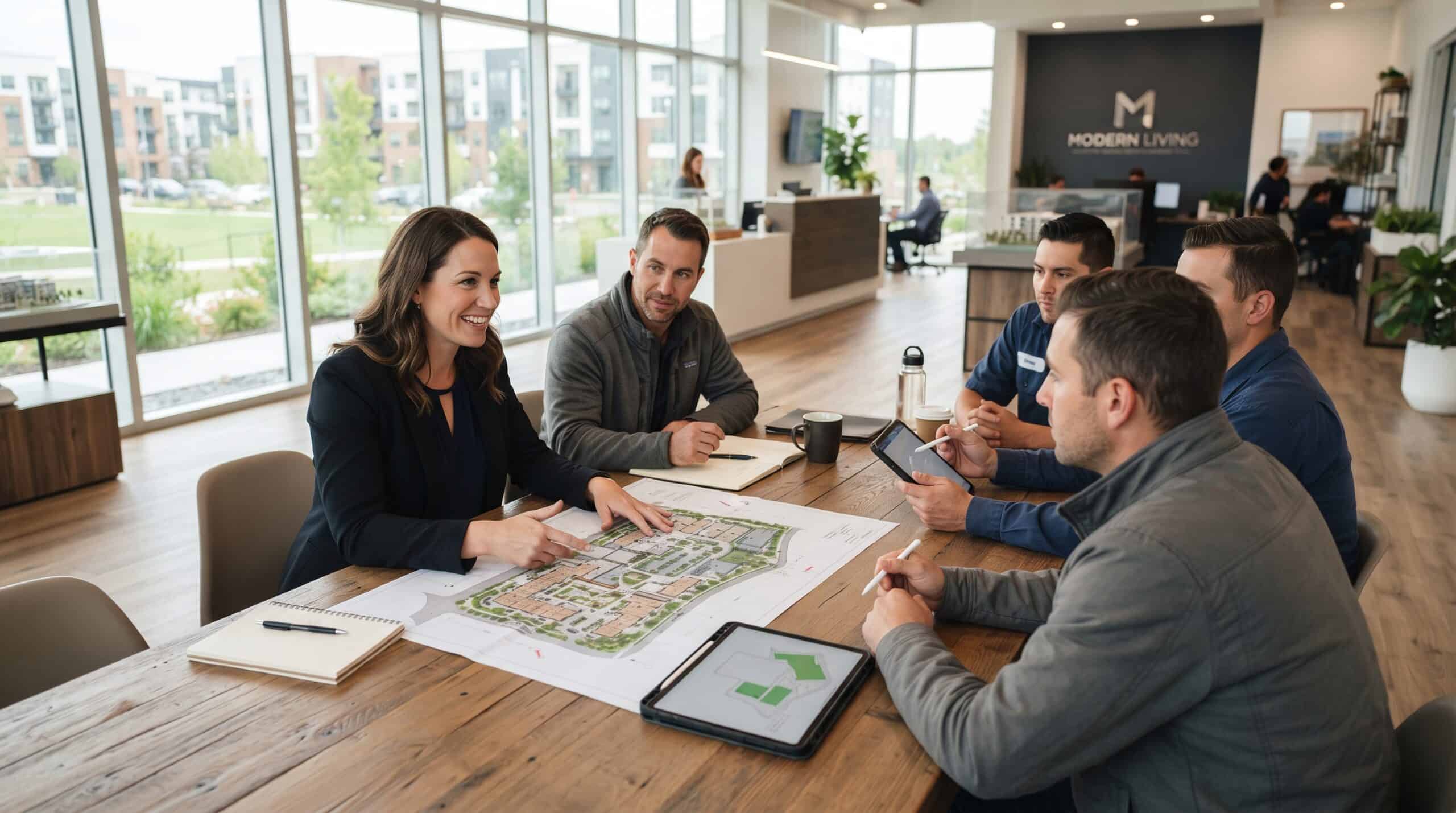
Choose a Property Type
Select the kind of property you want to manage before choosing training or applying for work.
Reviewing what property managers do helps connect that choice with the leasing, maintenance, financial, and communication responsibilities the role involves.
Common settings include:
- Multifamily housing
- Single-family rentals
- Commercial properties
- Community associations
- Affordable or subsidized housing
- Short-term rentals
The work differs across these categories. A commercial manager may focus on lease administration, vendors, budgets, and tenant improvements. A residential manager may handle leasing, resident communication, maintenance, deposits, and housing compliance.
Begin with one category so your initial training reflects the work you expect to perform.
Verify Licensing and Education Requirements
A responsible plan for how to become a property manager starts with the rules governing the location and duties involved.
Property-management activities may require a real estate broker’s license, salesperson license, property-management license, community-association credential, public-housing certification, or supervision by a licensed professional.
Check the applicable regulator rather than relying only on a course provider. Confirm education, examination, sponsorship, experience, background-check, renewal, and continuing-education requirements.
Employers may also require a degree, industry designation, software knowledge, or experience in leasing, customer service, maintenance coordination, accounting, or real estate administration.
How to Become a Property Manager Who Understands Leasing
Executing a clean leasing process is a core skill when learning how to become a property manager. Streamline operations by standardizing every stage-from applicant screening and move-in checklists to lease renewals and notices. Documenting these steps removes guesswork, establishes audit trails, and protects property owners from compliance risks.
Know which tasks require owner approval, legal review, or licensed authority. Do not independently change lease terms, approve exceptions, or make legal conclusions without authorization.
Create a fictional practice file containing a listing, inquiry log, application checklist, lease summary, condition report, renewal schedule, and move-out checklist. Do not use private applicant or resident information.
Complete lease records matter because they affect payments, notices, maintenance responsibilities, and possible disputes.

Apply Fair and Consistent Procedures
The property management role may include marketing, leasing, rent administration, maintenance, and recordkeeping, but the permitted scope varies.
In the United States, the Fair Housing Act prohibits housing discrimination based on protected characteristics. State and local laws may provide additional protections.
Enforce written criteria, approved scripts, consistent application procedures, and documented decisions. Establish standard procedures for reasonable-accommodation and reasonable-modification requests while referring complex legal questions to qualified counsel.
Do not create informal screening exceptions, steer applicants, retaliate against complainants, or disclose confidential information improperly.
Build Financial Control Skills
Solid financial controls are essential when determining how to become a property manager who protects asset value.
Organize rent collections, delinquencies, vendor invoices, maintenance expenses, and owner statements under strict accounting protocols.
Differentiate clearly between collected rent, recognized revenue, outstanding balances, operating expenses, capital expenditures, and escrow funds.
Never alter entries to conceal an error. Document corrections, preserve supporting records, and follow the organization’s approval process.
Prepare for Maintenance and Emergencies
Property managers receive routine requests and urgent reports involving water, electricity, heating, access, security, fire, structural conditions, and other systems.
Each maintenance procedure should identify:
- How requests are submitted
- What information is collected
- Which conditions require immediate escalation
- Who may authorize work
- Which vendor should be contacted
- How access is arranged
- What confirms completion
Managers should not diagnose technical conditions beyond their competence. Use qualified contractors and follow applicable safety, access, notice, and habitability requirements.
Emergency procedures should include backup contacts and instructions for incidents outside normal hours.
Build Clean Back-Office Operations
Every property portfolio requires structured documentation-including lease files, payment ledgers, maintenance logs, inspection records, and vendor invoices.
Integrating a specialized property management virtual assistant into your workflow allows operators to offload recurring administrative workload-such as rent tracking, lease auditing, maintenance coordination, and expense logging-while retaining full oversight of legal, screening, and financial decisions.
Limit access according to job responsibilities. Protect sensitive information and remove access promptly when a worker leaves.
A reliable record should show what happened, when it occurred, who handled it, and what must happen next.
Gain Supervised Experience
The strongest route for how to become a property manager is often supervised work close to daily operations. Entry positions may include leasing assistant, property administrator, resident-services coordinator, maintenance coordinator, bookkeeper, or assistant property manager.
Seek experience involving real leases, maintenance systems, inspections, budgets, resident communication, owner reporting, and compliance procedures.
Ask how training is delivered, who reviews decisions, which tasks are restricted, how emergencies are escalated, and what performance standards apply.
Keep a private skills log without copying confidential documents. Record the task, software, procedure, lesson learned, and level of supervision.
Structuring Independent Management Operations
Employment can provide established procedures, supervision, software, vendor relationships, and access to an existing portfolio. Independent management may require licensing, contracts, insurance, accounting controls, staffing, data security, and business registration.
Before opening a management company, calculate startup costs, operating reserves, technology expenses, professional fees, and the number of units needed to support the business.
A management agreement should identify authority, fees, responsibilities, reporting, fund handling, insurance, maintenance approvals, termination terms, and record ownership.
Do not accept more properties than the available staff and systems can manage responsibly.
Scale Your Property Operations Realistically
Learning how to become a property manager is only the foundation; long-term profitability depends on building systems that scale without inflating labor overhead. By securing required licenses, enforcing maintenance SOPs, and leveraging specialized remote support from platforms like Vesta VA, property managers can protect operating margins and focus on portfolio growth.